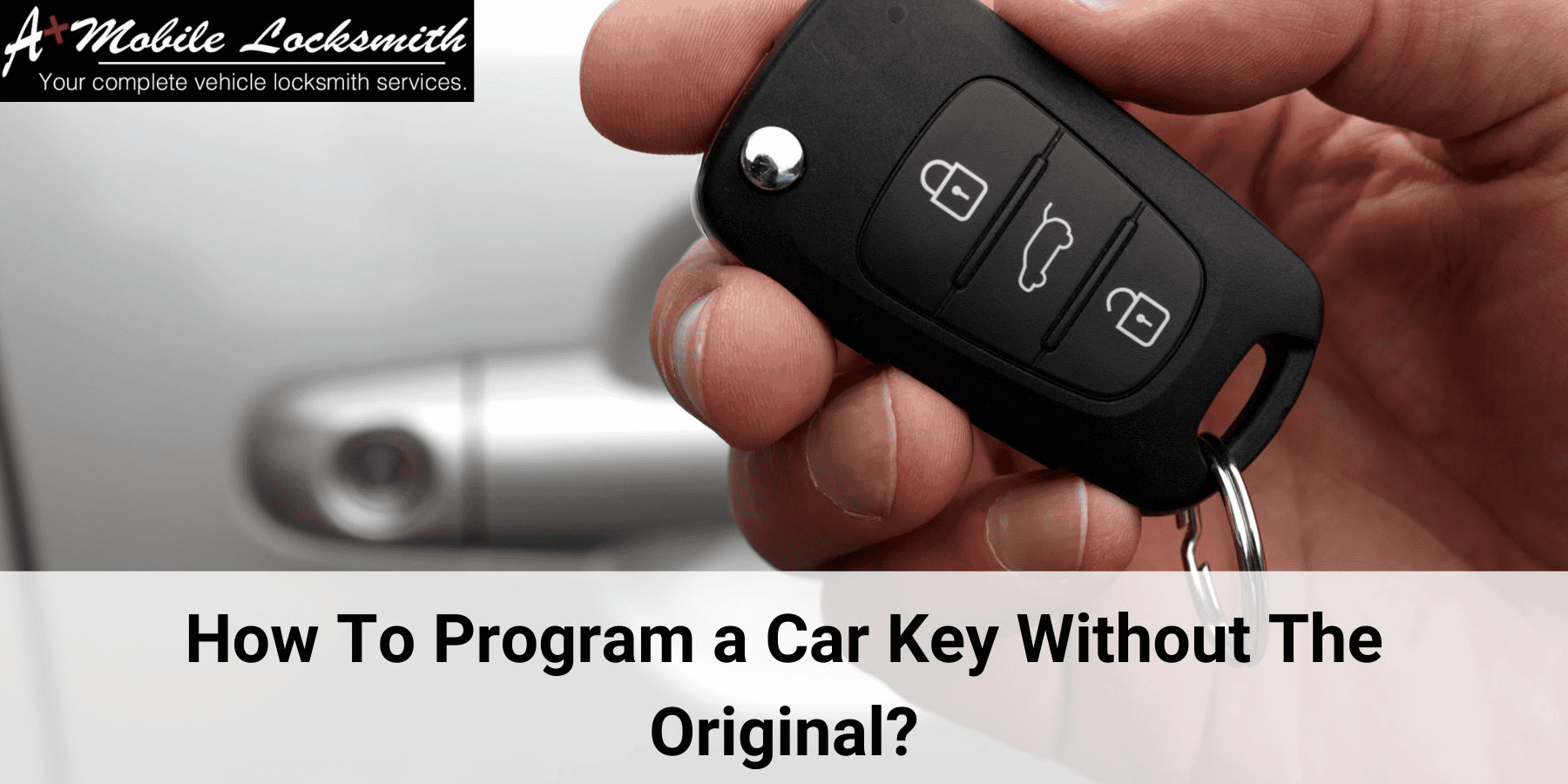
Losing a car key can be a major inconvenience, especially when you don’t have a spare. If you’re wondering, How to program a car key without the original, you’re in the right place. Car key programming might sound daunting, but it’s essential for regaining access to your vehicle and ensuring its security. The inability to start your car or unlock the doors can disrupt your daily routine and cause significant stress. This article is here to help, guiding you step-by-step through the process of programming a car key without the original key. Whether you’re a DIY enthusiast or simply looking to save on locksmith fees, follow our comprehensive guide to get your new key up and running in no time.
Can You Really Program a Car Key Without the Original Key?
Yes, it is possible to program a car key without the original key, but the process depends on your vehicle’s make and model and its security system. In many cases, a professional auto locksmith can get a replacement key using your vehicle’s VIN, then have it replaced and programmed to work with the immobilizer. While some older vehicles allow limited DIY steps like turning the ignition, most modern cars require specialized diagnostic tools to ensure the new key communicates properly with the vehicle’s system and operates reliably.
How To Program a Car Key Without The Original? Step-by-Step Guide
Programming a car key without the original requires a structured process to ensure security, functionality, and compatibility with your vehicle’s system.
Identify Your Vehicle Details
Start by confirming your car’s make and model, year, and key type. This information determines the programming method and tools required. Modern vehicles use advanced security systems, and not all keys can be programmed using the same process.
Obtain the Correct Replacement Key
Purchase a compatible replacement key that will need to be programmed to your vehicle. It is critical to ensure the key matches the exact specifications of your car, including transponder or smart key requirements, to avoid programming failures.
Perform or Initiate the Programming Process
Some vehicles allow basic programming through ignition cycles, while others require professional equipment. The goal is to sync the new key with the immobilizer so both starting functions and convenience features operate correctly after programming.
Use Professional Assistance When Required
For most modern vehicles, professional locksmith services are recommended. A licensed auto locksmith uses diagnostic tools to accurately program the key, erase lost keys if needed, and confirm that the new key works safely and reliably with your vehicle.
Types of Car Keys and Programming Requirements
Different types of car keys have unique security features, and understanding their programming requirements helps determine the correct replacement and setup process.
- Standard Mechanical Keys : Standard mechanical keys contain no electronic components and usually do not require programming. They are cut to match the lock and mainly used in older vehicle models.
- Transponder Keys: Transponder keys include a microchip that must be programmed to the vehicle’s immobilizer. Without proper programming, the engine will not start, even if the key physically turns.
- Remote Head Keys : Remote head keys combine a transponder chip and remote buttons in one unit. Programming is required for both engine starting functions and remote convenience features like locking and unlocking.
- Smart Keys / Keyless Entry Fobs: Smart keys use proximity-based technology and advanced encryption. They require specialized diagnostic tools for programming and must be synced precisely with the vehicle’s security system to function correctly.
Signs Your New Key Was Programmed Successfully
Recognizing the signs of a properly programmed key helps confirm reliable performance, full functionality, and secure communication with your vehicle’s system after replacement.
Engine Starts Without Security Warnings
A clear sign of successful programming car keys is when the engine starts smoothly with no immobilizer or warning lights. Many newer vehicles display alerts if the key is not recognized by the car’s security system.
Remote and Convenience Functions Work Properly
Locking, unlocking, trunk release, and panic buttons function as expected. These features vary depending on vehicle technology, and full operation confirms the key is correctly synced with the vehicle’s system and electronics.
Vehicle Consistently Recognizes the New Key
The car responds instantly when using the new key multiple times. Keys often fail intermittently when not programmed properly, so consistent recognition indicates stable communication with the immobilizer, depending on the make and model.
No Issues During Multiple Start Cycles
Starting and shutting off the vehicle several times without errors confirms proper programming. This reliability is essential for long-term use, as programming accuracy can vary depending on the vehicle type and key technology.
Common Problems & Troubleshooting After Programming
Even after key programming, certain issues may occur, and understanding common problems helps resolve them quickly and restore proper vehicle operation.
- The vehicle fails to recognize the key when attempting to enter programming mode, indicating an incomplete or interrupted setup.
- The key turns but the car does not start, often linked to immobilizer synchronization issues.
- Remote buttons respond inconsistently, suggesting the remote portion was not fully paired.
- The dashboard security light remains on after programming a new key, signaling authentication failure.
- Some vehicles require cycling the ignition without starting the engine to complete final synchronization steps.
- Lost or old keys may still be active and usually require deactivation for security reasons.
- Incorrect key frequency or chip type prevents proper communication with the system.
- Software limitations in certain vehicles can block successful programming.
- Professional assistance may be needed to resolve issues quickly and get back on the road safely.
Final Words
Programming a car key without the original is achievable with the right approach, tools, and expertise. The process often involves verifying the vehicle identification number, presenting proof of ownership, and using advanced equipment to ensure proper security synchronization. While some situations allow basic programming, most modern vehicles require professional assistance to safely replace your car key and restore full functionality. From ignition access to remote key features, accurate programming protects your vehicle and ensures long-term reliability. Choosing experienced locksmith services helps avoid errors, saves time, and delivers a secure, dependable solution for lost or damaged keys.
Frequently Asked Questions
Can I program a car key myself without original key?
In some older vehicles, limited DIY programming is possible. However, most modern cars require professional tools and expertise to ensure proper synchronization of the security system and reliable operation.
How long does the programming process take?
Car key programming typically takes 20 to 60 minutes, depending on the vehicle type, key technology, and security system complexity.
What if my car won’t accept the new key after programming?
This usually indicates a compatibility or immobilizer issue. Reprogramming with advanced diagnostic tools or professional locksmith assistance is often required.
Can dealerships program a key without the original key?
Yes, dealerships can program keys without the original, but the process is often more expensive and time-consuming compared to mobile auto locksmith services.